


































































































Will the WNBA Fold Without a New Bargaining Agreement? Key Updates for Fans
By Jocelyn Alano January 07, 2026 09:33


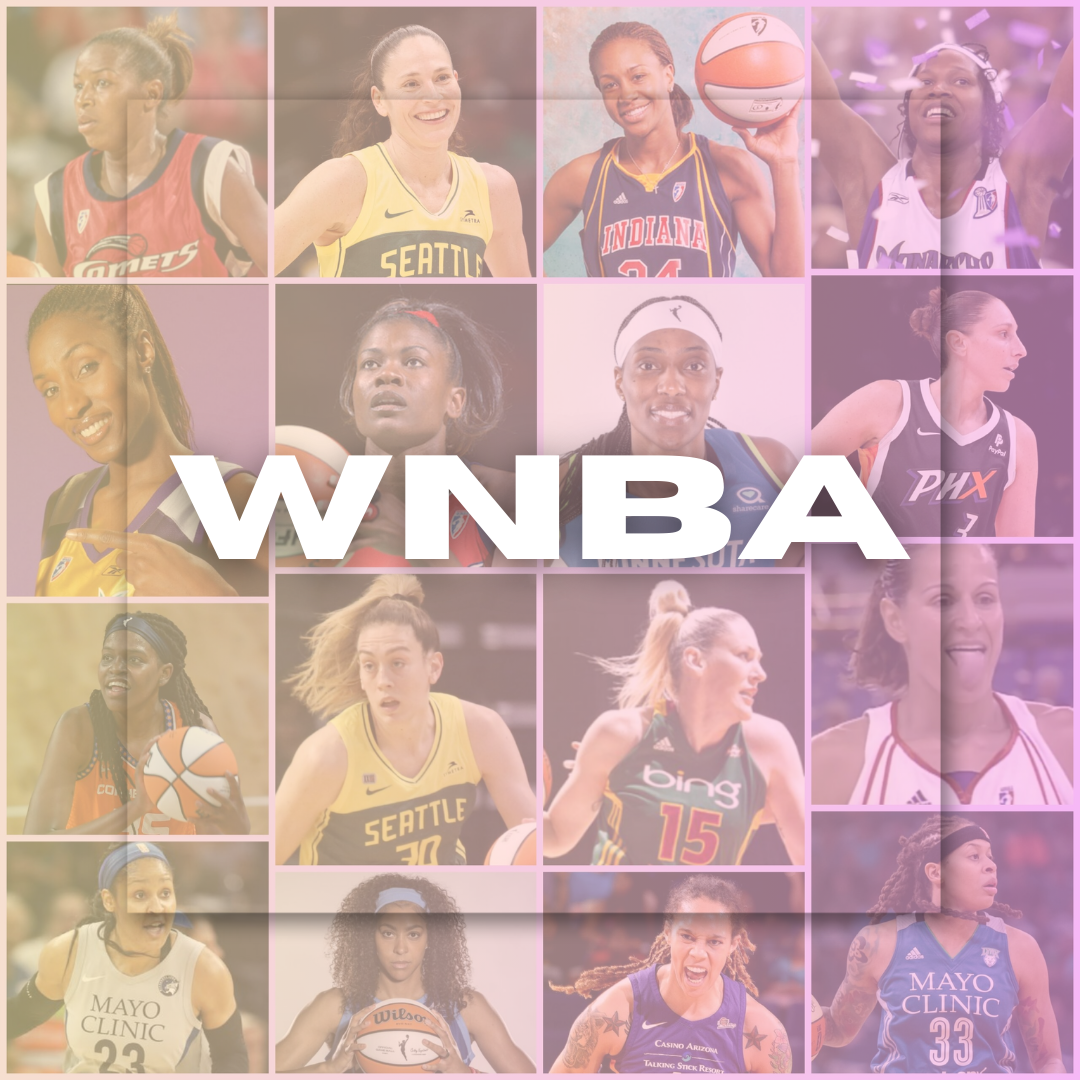
As the clock ticks down to January 9, 2026, the WNBA stands at a crossroads. The current collective bargaining agreement extended twice from its original October 31, 2025, expiration is set to lapse, and negotiations between the league and the Women's National Basketball Players Association (WNBPA) remain at an impasse. With players authorizing a strike and the possibility of a lockout looming, fans are understandably anxious: Could the league's unprecedented growth stall, or worse, lead to its demise? The short answer: No, the WNBA isn't folding anytime soon. But the path to a new deal is fraught, and the outcome could reshape the league's future.
The 2025 season underscored the WNBA's momentum. Despite injuries sidelining stars like Caitlin Clark for significant stretches, the league shattered viewership records on ESPN networks, averaging 1.3 million viewers across 25 regular-season games up 6% from 2024 and 1.2 million for the postseason. Overall attendance surged, with expansion team Golden State Valkyries selling out all home games at Chase Center, contributing to a league-wide push toward 3 million total fans. A landmark 11-year, $2.2 billion media rights deal kicks in for 2026, promising $200 million annually, while franchise valuations have soared average team worth now at $269 million.
Yet, this boom hasn't translated to swift labor peace. The WNBPA opted out of the prior CBA in October 2024, seeking a revenue-sharing model akin to the NBA's 50% split. Players argue the league's growth fueled by record attendance, merchandise sales, and sponsorships demands transformational pay. "This is the biggest moment the WNBA has ever seen," Clark said during Team USA camp. "We have to fight for everything we deserve."
The core dispute: economics. The union's latest proposal seeks about 30% of gross revenue, with a projected $10.5 million salary cap in 2026 over eight times the 2025 figure of $1.5 million. The league counters that this would trigger $700 million in losses over the deal's life, jeopardizing sustainability. Instead, the WNBA offers over 50% of net revenue (after expenses), projecting average salaries rising to $530,000-$780,000 and maxes nearing $2 million, with uncapped sharing tied to performance.
Commissioner Cathy Engelbert emphasizes balancing raises with "long-term viability," while NBA Commissioner Adam Silver remains "optimistic," acknowledging players "deserve to be paid significantly more." Players, however, view some offers as insufficient. In December, 98% voted to authorize a strike if needed, calling it an "unavoidable response."
If no deal by January 9? A "status quo" period could follow, maintaining current terms while talks continue no immediate stoppage. But either side could trigger a lockout (owners) or strike (players), halting operations: no expansion drafts for Portland and Toronto (debuting 2026), no free agency (nearly all veterans eligible), no trades, and potentially a delayed or canceled season.
History offers reassurance the WNBA has never had a work stoppage in its 29 years. The 2020 CBA was ratified in January after a 60-day extension. Expansion continues unabated: 15 teams in 2026, three more ($250 million fees each) by 2030. Rival leagues like Unrivaled (averaging $220,000 salaries) and emerging Project B add pressure but highlight demand for women's basketball.
"No one wants a work stoppage," Lynx forward Napheesa Collier said recently, "but players will ask for what they deserve." The league echoes good-faith bargaining, sharing financials to underscore viability concerns.
For fans, the anxiety is real delays could push back schedules, drafts, and rosters. But folding? Unlikely. Massive investments from media giants to new owners signal confidence in longevity. A prolonged dispute risks momentum, but the WNBA's trajectory points upward. Expect a deal, perhaps rushed like 2020, preserving the 30th season. As Engelbert said, growth must benefit "today's players and generations to come." The league's survival isn't in doubt its evolution is.
LATEST
- NEWS
- |
- ARTICLES
- |
- VIDEOS


FAN ARCH PODCAST NETWORK