




























































































Fan Engagement in Sports: Structure Based on Real-Life League Examples
By Arslan Saleem July 29, 2025 11:16


Fan engagement has become a top priority for sports organizations looking to build a deeper connection with their audience, drive revenue and stay competitive in a rapidly changing digital landscape. With traditional viewing habits shifting, especially among younger generations, sports leagues are investing in new technologies and digital platforms to stay relevant.
Today’s fans want more than just access to the game – they want interaction, personalization and a sense of community that goes beyond the final whistle. Whether it’s through real-time stats, exclusive mobile content or gamified experiences, successful fan engagement now means creating a holistic ecosystem that fosters emotional loyalty all year round.
Fan Engagement Through Gamification and AR
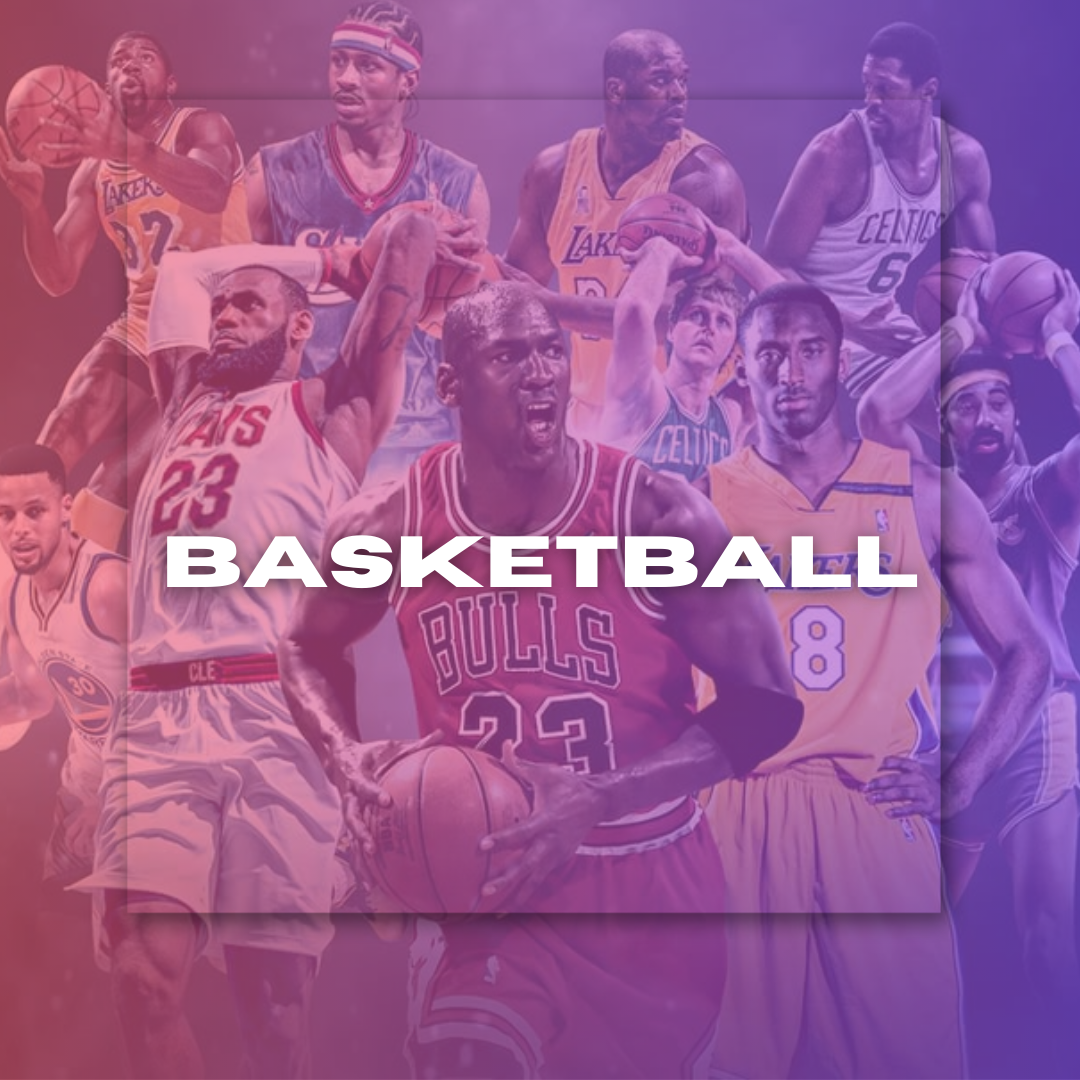
Gamification and augmented reality (AR) are two of the most effective tools to turn passive fans into active participants. The NBA has set the bar high with its Flex NBA AR app which combines collectible digital player cards with gaming mechanics. Fans can create fantasy lineups, compete in battles and unlock real-time stat boosts by scanning physical tokens or using their mobile camera, blurring the lines between the physical and digital experience.
The NHL has also gone interactive with real-time overlays, trivia games during live streams and even AR activations in-stadium. These features don’t just add entertainment – they keep fans engaged during the game, increasing time spent in apps and driving merchandise or ticket sales.
Personalized Fan JourneysJason Bolton
One of the biggest trends in fan engagement is personalization. The Golden State Warriors, with Google Cloud, have created one of the most advanced fan engagement ecosystems in professional sports. Their Chase Center app uses over 100 million data points to serve content, food recommendations, merchandise suggestions and highlight reels to each user.
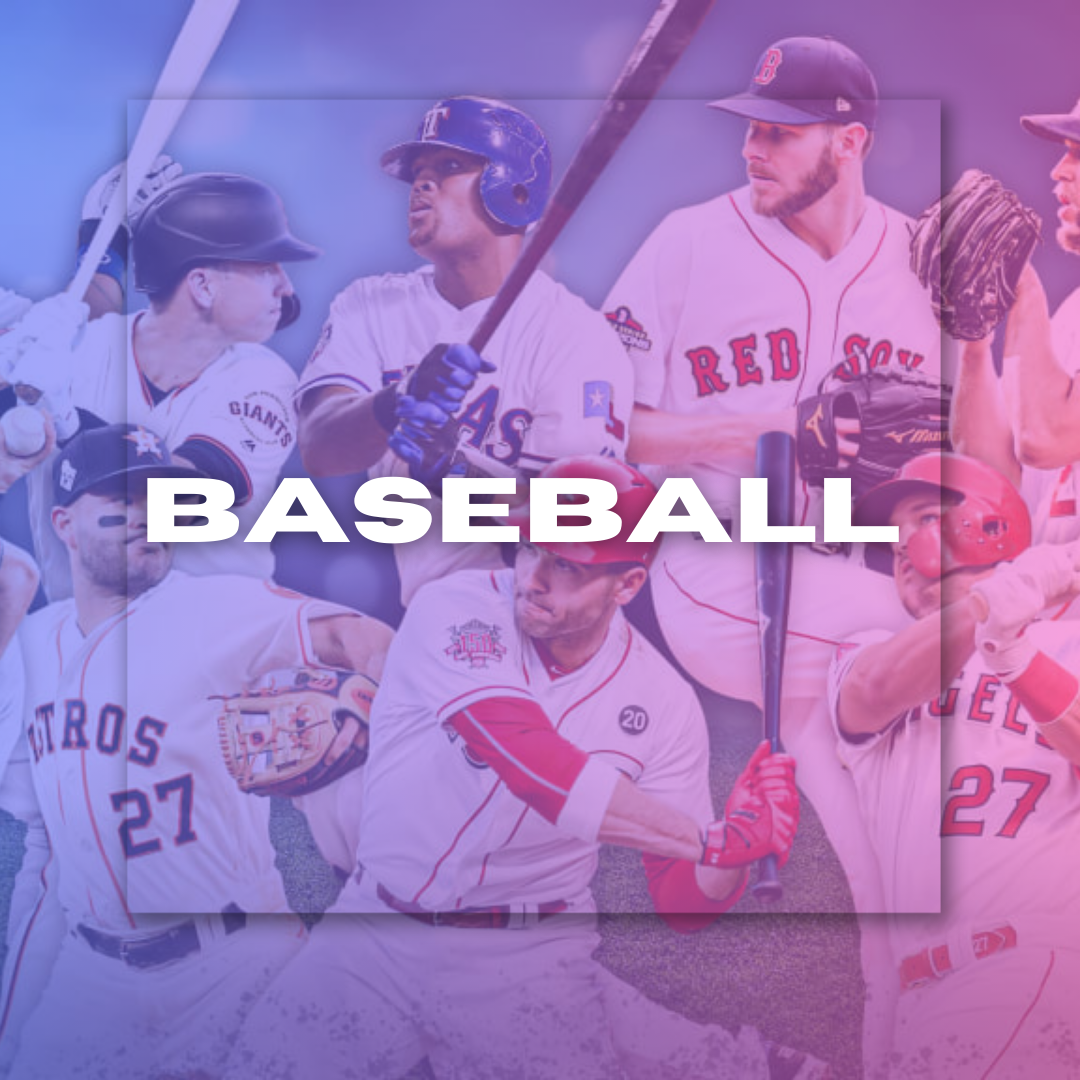
Similarly MLB’s Ballpark app offers personalized experiences based on fans’ behavior, location and past activity. It can notify users of concession deals near their seat or remind them of their favorite player’s next at-bat. These personalized touches make fans feel seen and valued, increasing their connection to the team and repeat engagement.
Streaming and Year-Round Digital Engagement
The move to digital has allowed leagues to keep fans engaged long after the season is over. The UFC’s Fight Pass is a great example of how to turn a one-time viewer into a lifelong fan. By offering an on-demand library of past fights, exclusive interviews and behind-the-scenes content, UFC keeps fans engaged between live events. It also builds fighter personas beyond the octagon, deepening fan attachment.
MLB and the NHL have taken similar steps to keep fans interacting year-round. MLB.TV allows fans to follow spring training, minor leagues and offseason news while the NHL provides constant content through its app and social channels including player spotlights, injury updates and archived game footage. These platforms keep fans emotionally invested all year round – not just on game day.
Loyalty and Rewards Programs
Loyalty programs are key to increasing fan retention and driving repeat behaviors like attending games, buying merchandise or engaging with digital content. MLB’s Ballpark app has a robust loyalty component where fans can earn points for attending games, checking in at stadiums or buying concessions. These points are redeemable for team merchandise, seat upgrades and exclusive experiences.
In the NBA many teams have integrated loyalty mechanisms directly into their mobile platforms. These include milestone badges, exclusive video unlocks or early ticket access for fans who consistently engage. The key is to reward meaningful interactions – not just purchases – with experiences that reinforce the fan’s emotional connection to the team.
Social Media, Second-Screening & Real-Time Content
Second-screen behavior – where fans use mobile devices while watching games – has changed how leagues approach content delivery. According to the Sports Business Institute, 87% of fans second-screen during live sports events. Recognizing this, the NHL has added real-time stats, in-game polling and live commentary feeds to their mobile app to complement the viewing experience.
Teams and leagues are also using social media to stay visible and engaged. Quick reactions to in-game moments, behind-the-scenes clips and live Q&A sessions on platforms like Instagram and Twitter keep fans closer to players and clubs. The key is immediacy – real-time updates deepen engagement and make fans feel part of the action.
By combining social media responsiveness with second-screen experiences, leagues like the NBA and NHL stay top of mind during every game, no matter where fans are watching from.
Community Building & Inclusivity
In this context, it's worth noting that companies like CrustLab have successfully applied gamification mechanics to digital environments—particularly in the iGaming sector. CrustLab iGaming Gamification solutions include point systems, missions, and reward structures that could be adapted by sports leagues to deepen fan involvement and strengthen community ties.
Beyond technology, fans also value emotional resonance and inclusive culture. The UFC does this by highlighting fighter backgrounds, personal struggles and community work, making fans feel connected not just to the sport but to the people behind it. This type of storytelling builds powerful emotional bridges between the audience and athletes.
Leagues like the NBA and MLB have also made progress on inclusivity – through community outreach programs and embracing diversity in marketing and branding. These actions make fans of all backgrounds feel part of the club, so engagement is universal.
Data and AI in Engagement
Modern fan engagement is data-driven. Through advanced analytics and artificial intelligence (AI), sports organizations can predict fan behavior, optimize in-game experiences and deliver timely content. The NBA uses AI to curate personalized highlight reels and push targeted notifications based on fan behavior.
MLB uses predictive analytics to optimize ticket pricing, track fan movement in stadiums and anticipate merchandise demand. This not only improves operational efficiency but allows leagues to serve fans proactively – turning data into experiences.
The Future of Engagement
The next frontier of engagement is emerging technologies like VR, blockchain ticketing and metaverse fan experiences. These will break physical boundaries and make participation more accessible – especially for global audiences.
At the same time leagues are focusing on women’s sports and underserved markets, recognizing the opportunity to build new fan bases through targeted strategies. The evolution of engagement will be shaped by inclusivity, technology and community-focused innovation.
Fan engagement is no longer a nice-to-have – it’s a must-have for survival and growth in the sports industry. By personalizing, immersing, real-time interacting and storytelling leagues like the NBA, NHL, UFC and MLB are building stronger, more loyal fan communities.
As technology advances and audiences diversify, the organizations that prioritize meaningful year-round engagement will lead the future of sports – not just on the scoreboard but in the hearts of their fans.
LATEST
- NEWS
- |
- ARTICLES
- |
- VIDEOS


FAN ARCH PODCAST NETWORK