




































































































The Emotional Economics of Being a Fan: Wins, Losses, and Group Therapy
By Muhammad Arslan Saleem January 06, 2026 05:04


It’s never rational to be a sports fan, is it? You invest time, emotional energy, and a lot of money into outcomes you can’t control but feel deeply responsible for at the end of the match or game.
Wins can elevate an entire week. Losses can ruin a night, sometimes longer. This emotional swing isn’t accidental. In fact, it’s the foundation of modern sports fandom. It also behaves a lot like an informal economy. The only difference is that, in this economy, emotion is the currency.
Wins as Emotional Windfalls
When a team or competitor wins, fans experience a surge of validation. The result confirms that their belief and loyalty were in the right place. Psychologically, it feels like a return on investment. The brain rewards the outcome with dopamine, which reinforces attachment to the team, the players, and even the ritual of watching.
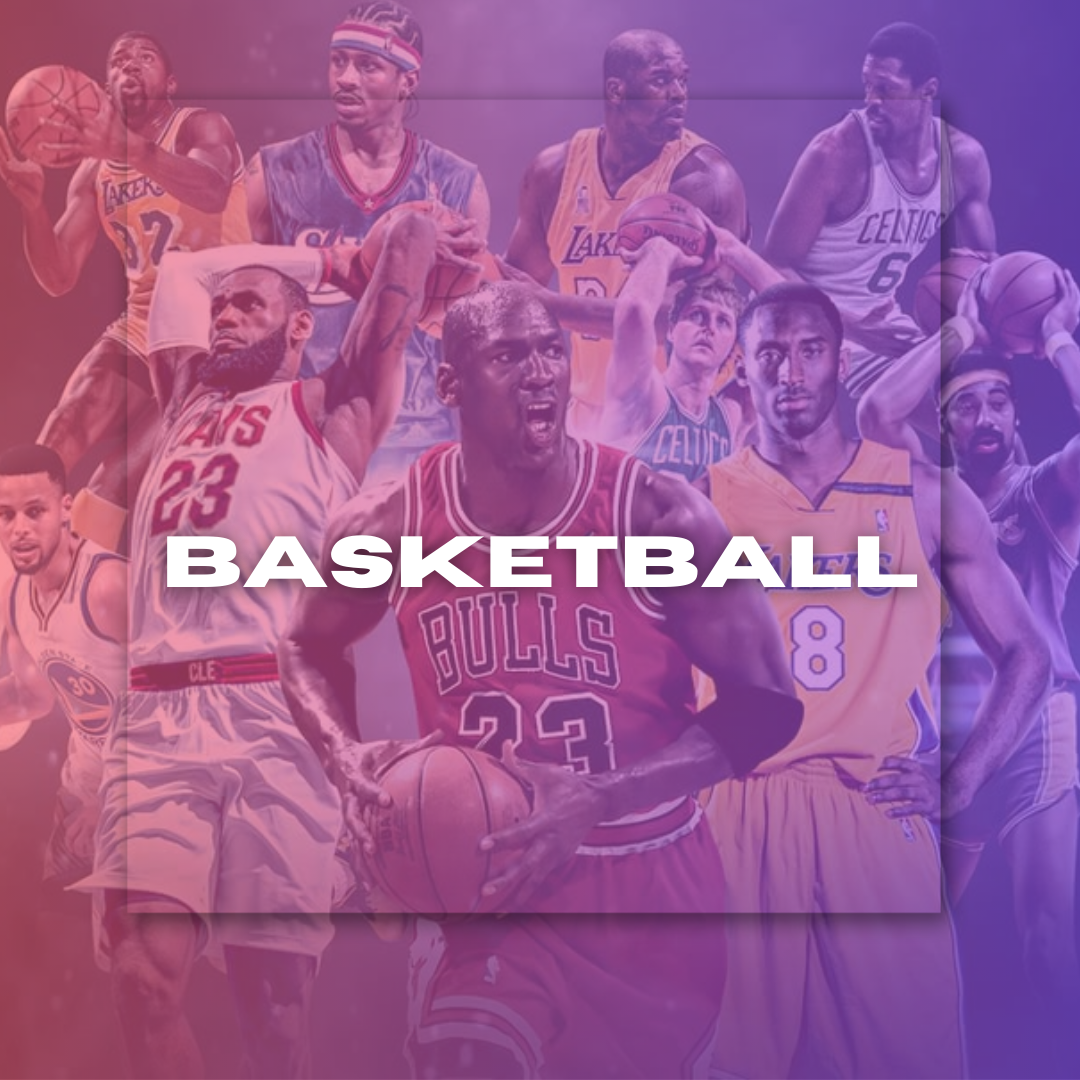
This effect is amplified in high-stakes environments. Whether it’s Game 7 in the NBA or a UFC title fight, these big occasions carry emotional weight far beyond the scoreboard. Fans go beyond celebrating and bond with others. Shared joy then becomes a collective memory, strengthening identity within the group.
Losses and the Cost of Loyalty
On the other hand, losses extract payment. Fans need to absorb the disappointment and frustration. With the power of social media, this can also include embarrassment.
Close losses feel worse than blowouts. Controversial calls linger longer than clear defeats. Yet most fans don’t disengage. Instead, they double down.
This is where emotional economics becomes clear. Fans justify continued investment by defending losses as, say, injustice or by describing them as a learning experience. The sunk-cost effect applies emotionally as much as financially. Loyalty becomes proof character rather than logic.
Sports as Group Therapy
Community. This is one of the biggest reasons why fans keep showing up. Sports fandom, in a way, supplies built-in group therapy. Message boards, group chats, watch parties, post-game shows—these spaces allow fans to process emotion collectively. Complaining together softens disappointment. Celebrating together multiplies joy.
This communal processing is like what’s found at other shared-risk entertainment environments. Take Jackpot City Casino (play online at jackpotcitycasino.com/new-zealand/) as an example. This platform relies on a similar psychological loop of anticipation, outcome, and reaction. Wins and losses can also be experienced together in live dealer environments.
The key similarity is shared experience. Emotion feels lighter when distributed across a group.
Rituals to Manage Volatility
Fans create rituals to manage volatility. From superstitions to wearing jerseys, and from weekly routines to pre-game shows, these behaviors add structure to emotional risk. They give fans a sense of participation, even control, in outcomes they can’t directly influence.
Take college sports as an example. The pageantry and tradition involved helps in regulating emotion. They make losses tolerable and wins significant beyond the statistics.
Conclusion
The emotional economics of fandom persist because the returns, while largely inconsistent, are powerful. Everything from an upset victory to achieving a championship can make all the difference. Fans know the risks. They accept the losses. They also keep investing because they know the worth in the emotional upside of winning.
LATEST
- NEWS
- |
- ARTICLES
- |
- VIDEOS


FAN ARCH PODCAST NETWORK