


























































































Could MLB Players Miss Games for the Olympics? Inside the Scheduling Debate
By Jayson Panganiban July 16, 2025 09:02


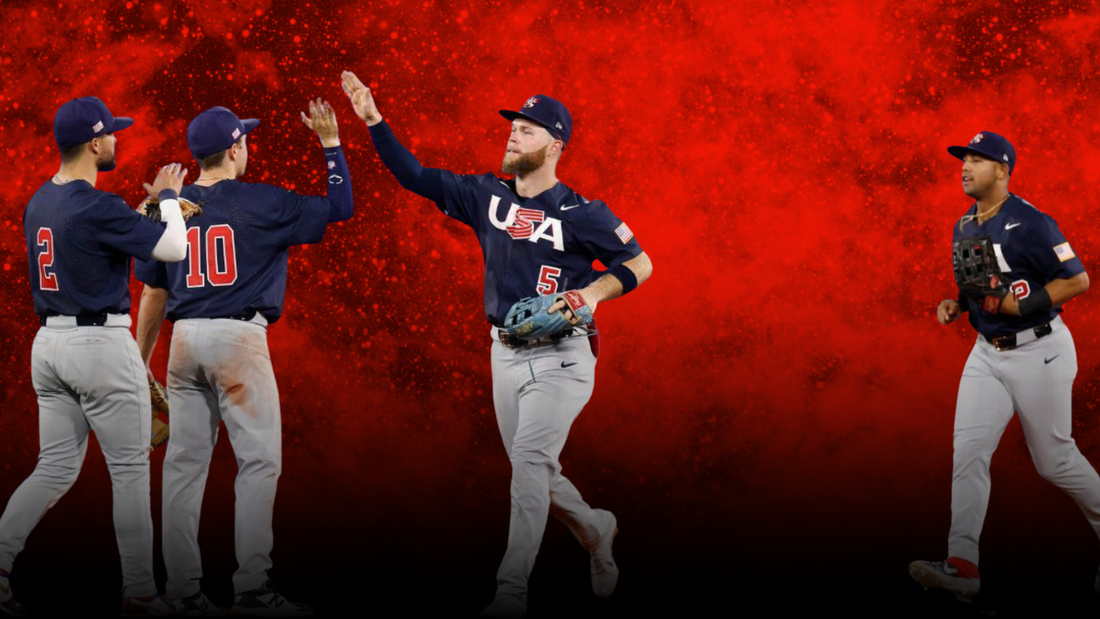
As Major League Baseball looks toward the 2028 Los Angeles Olympics, one of the most debated topics is whether MLB players will miss regular season games to compete on the Olympic stage. With baseball scheduled from July 15-20, 2028, at Dodger Stadium right in the heart of the MLB season officials, players, and broadcasters face a complex balancing act involving scheduling, player participation, and the potential impact on the 162-game regular season.
Historically, MLB players have never participated in the Olympics, with Team USA and other nations fielding teams comprised primarily of minor leaguers or collegiate players. That trend is poised for change. Both Commissioner Rob Manfred and MLB Players Association (MLBPA) Executive Director Tony Clark have expressed openness toward allowing major-league players to compete in 2028. Manfred told the Baseball Writers’ Association of America that conversations with LA Games CEO Casey Wasserman were “very persuasive,” highlighting the global promotional value of Olympic baseball: “I view this as a chance to promote the sport on a truly international platform.” Clark echoed enthusiasm from players, noting “players are eager to compete, whether for Team USA or various other teams globally”.
Scheduling Challenges
The primary hurdle remains the timing. The six-day Olympic baseball tournament overlaps with MLB’s traditional All-Star break, typically mid-July. Currently, MLB schedules the All-Star Game around July 15, which coincides exactly with the Olympic baseball start date. Maintaining the All-Star Game at its usual spot while accommodating Olympic play could require MLB to engineer an extended All-Star break, pausing the regular season for potentially two to three weeks.
Manfred acknowledged that while the schedule could “remain unchanged,” the league knows “there’s a lot of work that still needs to be done” to balance the calendar without “bleeding into the middle of November” for postseason timing. A longer break likely means starting the season earlier and compressing spring training or regular-season games. Manfred explained the situation as “a big deal,” requiring “significant accommodations” by teams and broadcasters alike.
Broadcast and Business Considerations
Altering the MLB calendar also poses challenges for national broadcast agreements. MLB’s TV contracts with networks like Fox and ESPN rely heavily on midseason programming and All-Star festivities to drive ratings and advertising revenue. Cancelling or moving the All-Star Game to accommodate the Olympics could require renegotiations or financial adjustments, adding complexity to the decision-making process.
Player Perspectives
Several star players have publicly voiced support for Olympic participation. Phillies star Bryce Harper said, “It’s everyone’s dream to be in the Olympics… it’s something you dream about playing in.” Harper even tried to get Olympic participation written into his contract, emphasizing the prestige the Games carry to players. Dodgers two-way superstar Shohei Ohtani has also expressed enthusiasm, noting the Olympics attract broader global interest beyond baseball’s traditional fanbase.
Approval and Logistics
Despite momentum, MLB teams retaining control over player releases is key. Manfred stressed that clubs must “approve” any player’s Olympic participation, signaling the challenge of balancing competitive club interests with global promotion. The MLBPA and LA28 organizing committee continue to discuss logistics such as travel, insurance, and scheduling, with optimism for a workable solution but many details yet to finalize.
The Path Forward
As the 2028 Olympics draw closer, MLB faces a landmark decision: will its top stars step onto the international stage at the cost of midseason absence? The opportunity to showcase baseball globally in the sport’s U.S. heartland is enticing. However, practical concerns about preserving the season’s integrity, financial considerations, and player health remain central.
In sum, 2028 could see a historic milestone for baseball with MLB’s best taking the Olympic field, but that victory will depend on successfully navigating the complex scheduling debate that challenges leagues worldwide when balancing domestic seasons and global events. As Commissioner Manfred said, “If everyone behaves logically… Major League Baseball players will compete at the Los Angeles Olympics.” Fans and stakeholders will be watching closely as plans evolve over the next few years.
LATEST
- NEWS
- |
- ARTICLES
- |
- VIDEOS


FAN ARCH PODCAST NETWORK