








































































































What the 2025 MLB All-Star Game Taught Us About the Future of Baseball
By Oliver Wiener July 17, 2025 09:12


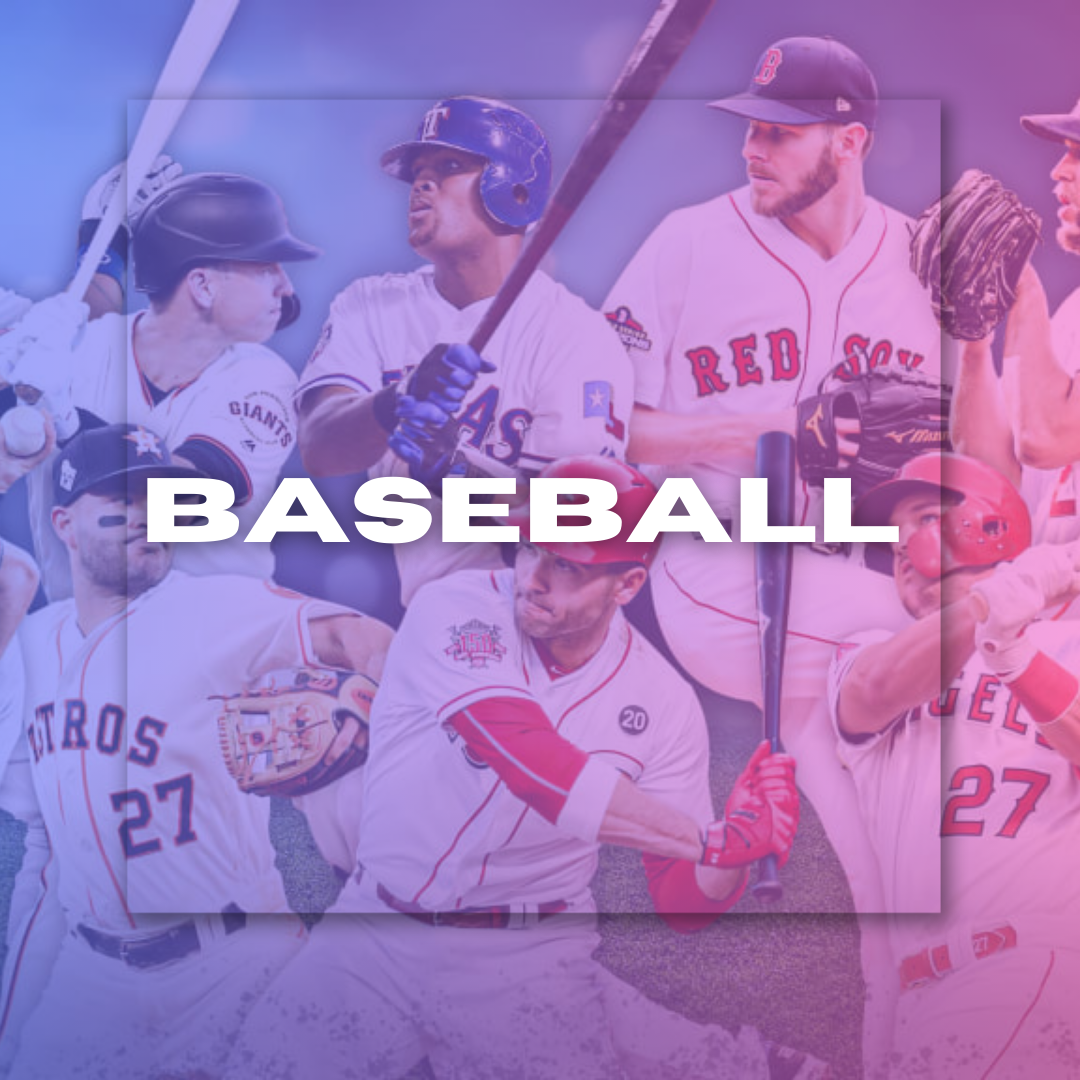
The 2025 MLB All-Star Game in Atlanta didn’t just deliver a thrilling spectacle; it also offered a glimpse into the evolving future of baseball. From cutting-edge rule changes to innovative tie-breaking procedures, this Midsummer Classic reflected Major League Baseball’s effort to modernize the game while preserving its competitive and entertainment value.
Perhaps the most talked-about innovation was the swing-off tiebreaker, making its debut as the first-ever All-Star Game to be decided in this high-stakes format. After a 6-6 deadlock through nine innings, the traditional extra innings were replaced by a three-player, three-swing mini derby for each league. The National League’s Kyle Schwarber dazzled fans and teammates alike by crushing home runs on all three swings, securing not only the National League’s 7-6 victory but the All-Star MVP award as well.
This swing-off aligns with the 2022 MLB collective bargaining agreement (CBA), introduced to reduce the strain on pitching staffs during a showcase game and ensure a decisive, fan-friendly finish. As National League manager Dave Roberts described it, “It was fantastic to see our players get so excited for this moment. It truly brought an energy that’s hard to replicate.” The format instantly evoked comparisons to soccer penalty shootouts or hockey shootouts sports that have long embraced similar solutions to tied games, balancing competitive fairness with excitement.
The reaction inside the clubhouse was overwhelmingly positive. Giants pitcher Logan Webb shared how players throughout the league eagerly discussed ending games this way, going so far as to suggest consideration for the regular season, albeit cautiously. Yankee infielder Jazz Chisholm Jr. quipped about even wanting the swing-off at Yankee Stadium, highlighting how the new format resonates with players craving excitement without dragging out games.
Beyond the swing-off, the 2025 All-Star Game also featured the debut of the Automated Ball-Strike (ABS) Challenge System, another step toward integrating technology into officiating. This system, successfully employed in spring training and Minor League Baseball for several years, allows managers to dispute ball and strike calls with real-time video review. Tigers pitcher Tarik Skubal notably used the system to overturn a borderline ball call against Manny Machado early in the game, underscoring how technology is helping refine the fairness and accuracy of calls on the field.
MLB also paid tribute to Hank Aaron’s historic 715th home run with a moving projection and pyrotechnic display, connecting the game’s modern innovations to its rich heritage. Watching Aaron’s widow, Billye Aaron, wave to an appreciative crowd of 41,702 fans at Truist Park reinforced baseball’s enduring traditions alongside its forward momentum.
The 2025 All-Star Game exemplified baseball’s willingness to embrace change. Commissioner Rob Manfred’s recent rule changes such as starting extra innings with a runner on second base have aimed to accelerate games, reduce pitcher fatigue, and boost engagement. The swing-off offers an even more radical approach in showcase contexts, blending competitive integrity with instant thrills.
American League manager Aaron Boone hinted at the possibility of extending the swing-off beyond exhibition games, stating, “There’s probably a world where the swing-off becomes part of regular-season baseball, though not anytime soon. But tonight showed how special and dramatic it can be.” Such comments reflect the thoughtful debates MLB faces balancing tradition, innovation, and player welfare.
Ultimately, the 2025 All-Star Game taught us that baseball’s future lies in evolution where technology, player safety, and fan engagement intersect. By delivering a dynamic, memorable experience that resonated with players and fans alike, this game marked a pivotal moment, suggesting that baseball’s next chapters will be as exciting and innovative as its storied past.
LATEST
- NEWS
- |
- ARTICLES
- |
- VIDEOS


FAN ARCH PODCAST NETWORK