Is the Automated Ball-Strike System Changing Baseball for Good?
By Oliver Wiener July 18, 2025 10:16


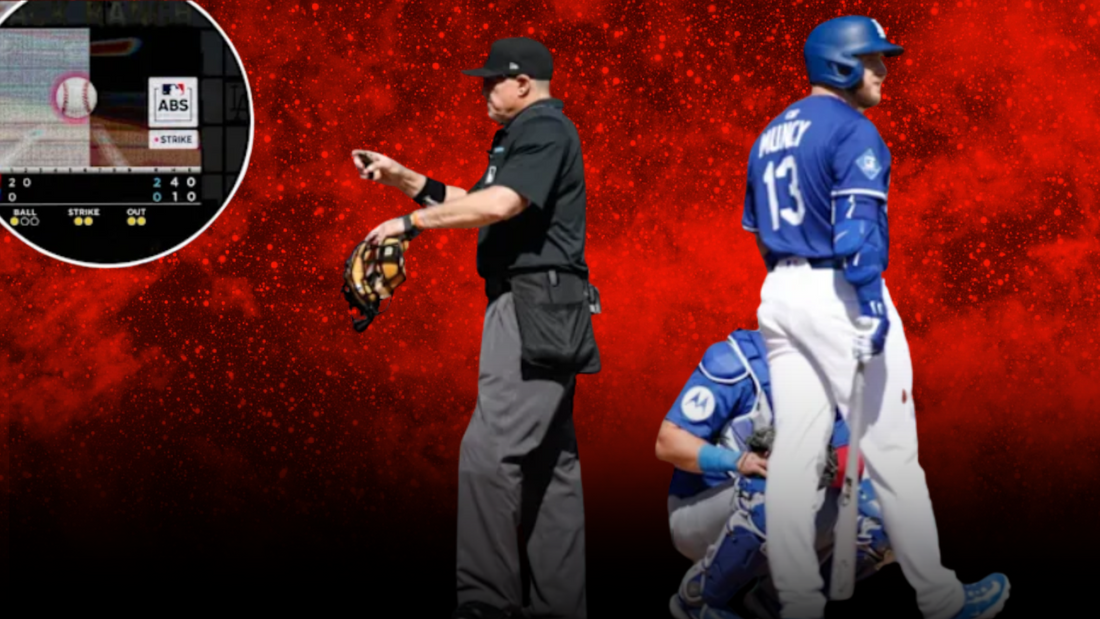
As Major League Baseball inches closer to adopting the Automated Ball-Strike (ABS) system on a permanent basis, the 2025 All-Star Game in Atlanta offered a high-profile stage for its latest iteration. The system, which uses advanced Hawk-Eye technology powered by T-Mobile’s 5G network to track pitch locations with precision, allows pitchers, catchers, and batters to challenge umpire calls on balls and strikes. While MLB’s intent is clear enhancing accuracy and fairness the question remains: Is the ABS system changing baseball for good?
The debut of ABS in the Midsummer Classic followed multiple seasons of testing, beginning in minors as early as 2021 and throughout spring training in 2025. Each team started with two challenges, retaining them if successful, and had to signal challenges by tapping their hats or helmets immediately after a questionable call. Notably, MLB prefers this challenge mechanism over a full robotic umpire system to preserve elements of traditional human judgment.
Fan reception has been largely positive. During Spring Training, a poll showed 72% of fans rated ABS’s impact as positive, with 69% expressing support for its permanent use. Just 10% voiced negativity. This enthusiasm stems from the system’s promise to reduce controversies and game disruptions caused by disputed strike zone calls, a historic point of debate in baseball since the 19th century.
On the field, the ABS system quickly influenced game outcomes. In the All-Star Game, the first ABS challenge overturned a questionable ball call, leading to Paul Skubal striking out Manny Machado. Such moments highlight how ABS offers a check on human error without removing the umpire’s presence entirely.
However, the player reaction showcases a more nuanced picture. Minnesota Twins outfielder Byron Buxton openly stated he is “not a fan of ABS,” cautioning that the system contributes to increased social media backlash and pressure on players. Buxton’s concerns touch on a broader issue: baseball’s intense scrutiny and the psychological toll amplified by technological interventions. Meanwhile, Cleveland Guardians’ Steven Kwan expressed optimism, calling ABS “a good addition” but emphasizing the need for more experience with it to refine the system’s integration.
From a technical standpoint, MLB executive Morgan Sword explained that the compromise solution using ABS as a challenge tool rather than fully automated ball-strike calling strikes balance. This approach respects baseball’s human traditions, maintains catcher-umpire dynamics, and introduces accountability in high-leverage situations. Over multiple tests, the overturn rate hovered near 50%, indicating the system frequently corrects borderline calls and thus enhances fairness.
Skeptics argue that automated calls may disrupt the flow and rhythm of the game, shifting some of baseball’s organic unpredictability toward a more calculated sport. Others lament the potential loss of umpires’ unique strike zone interpretations, historically a defining feature of the game’s character.
Ultimately, the ABS system is reshaping baseball’s strike zone adjudication with a moderate but meaningful footprint. By championing a challenge-based model, MLB aims to modernize its officiating without displacing the human element that defines the sport. Whether this hybrid approach endures will hinge on how players, fans, and officials adapt in the coming seasons.
The 2026 season decision rests with MLB’s Joint Competition Committee, and early indicators suggest the ABS challenge system will become a staple. Its blend of precision and tradition may well mark a turning point, ushering in an era of enhanced fairness while preserving baseball’s timeless essence. For now, baseball stands at the crossroads embracing technology yet holding tightly to its cherished heritage.
LATEST
- NEWS
- |
- ARTICLES
- |
- VIDEOS


FAN ARCH PODCAST NETWORK