Baseball History Made: Explaining the New MLB All-Star Game Swing-Off Rule
By Oliver Wiener July 17, 2025 09:12


The 2025 MLB All-Star Game at Truist Park in Atlanta marked a historic turning point for the Midsummer Classic, thanks to the introduction and execution of the new swing-off tiebreaker rule. For the first time ever, the game was decided not by extra innings but by a high-stakes, derby-style home run showdown, adding a fresh layer of excitement to baseball’s most celebrated exhibition. This innovative format, adopted in MLB’s 2022 collective bargaining agreement (CBA), aims to preserve player health and fan engagement simultaneously.
Traditionally, when the All-Star Game ends tied after nine innings, extra innings decide the winner. Over the years, this approach has faced criticism as prolonged games often tax pitching staffs during a busy midseason schedule. The swing-off format replaces extra innings with a three-player assault on the fences for each league, introducing a rapid, spectator-friendly conclusion.
Here is how it works: each league manager selects three players from their roster who have agreed to participate, plus an alternate in case of injury. Each of these six players gets three swings to hit as many home runs as possible off batting practice pitching. Importantly, players may take any number of pitches, but only three swings count. The team with the most combined homers from their trio wins the game. If still tied, a sudden-death swing-off between one batter from each side continues until a winner emerges.
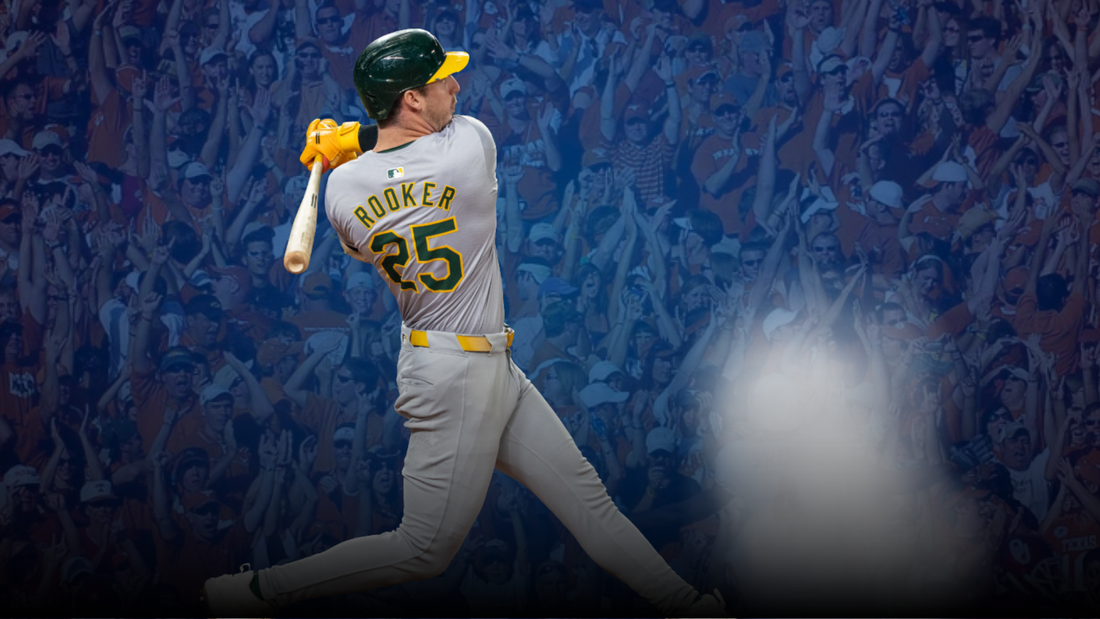
In the 2025 game, after a thrilling 6-6 deadlock at the end of regulation, the National League and American League unleashed their offensive firepower in this novel setup. The National League chose Miami Marlins’ Kyle Stowers, Philadelphia Phillies’ Kyle Schwarber, and New York Mets’ Pete Alonso, while the American League countered with Oakland Athletics’ Brent Rooker, Seattle Mariners’ Randy Arozarena, and Tampa Bay Rays’ Jonathan Aranda.
Kyle Schwarber delivered a historic performance, launching home runs on all three of his swings, effectively ending the contest at 4-3 in the National League’s favor and sealing his MVP honors. “I didn’t think it would actually happen, but when it did, I was glad to be ready for it,” Schwarber reflected. His flawless display underscored both the competitive integrity and entertainment value of the new rule.
This swing-off marked the first-ever in All-Star history, signaling MLB’s willingness to innovate while respecting fan passions and the grueling demands on players. The introduction of the swing-off also alleviates concerns regarding pitcher usage and injury risk during a showcase game. Commissioner's office stated the rule will remain in effect through at least 2026 under the current CBA.
Fans and analysts have widely praised the rule change for its dramatic effect. Veteran Dodgers manager Dave Roberts, whose National League squad prevailed, noted: “We finally beat these guys after years of close calls. This format lets hitters shine and keeps fans engaged right until the final swing.” Media coverage highlighted the excitement generated by the quick-paced, spectacle-driven conclusion compared to the drawn-out extra-inning struggles of past games.
While some top stars like Aaron Judge and Shohei Ohtani were unavailable for the swing-off due to early game exits or rest, the rule’s capacity to highlight mid-tier stars and role players added unexpected intrigue. As MLB continues to refine its All-Star format, embracing fan-friendly, innovative rules like the swing-off may set the tone for baseball’s future showcase events.
In sum, the 2025 All-Star swing-off redefines how the game’s greatest players compete for glory and fans engage with their favorite sport. This home run derby-inspired tiebreaker marries tradition with modern excitement, providing a fitting, memorable climax for the Midsummer Classic and a new chapter in baseball history.
LATEST
- NEWS
- |
- ARTICLES
- |
- VIDEOS


FAN ARCH PODCAST NETWORK