






































































The New Arena: A Comprehensive Analysis of Casino and Betting Sponsorships in Major U.S. Sports
By Muhammad Arslan Saleem August 25, 2025 10:58


The Foundational Shift: The Post-PASPA Era
In the United States, this has entirely changed the commercial relationship between professional sports and gambling since 2018. For more than 25 years, this dynamic was defined by a federal law that served as an impenetrable barrier to legalized sports wagering. Professional and Amateur Sports Protection Act ( PASPA ) of 1992, or otherwise known as the Bradley Act, effectively has criminalized state-licensed sports gambling all over the United States. This action did not make sports betting a federal crime, but rather prohibited states from promoting and sponsoring it, as well as extending licensing and authorization.
Sports betting giants such as the NFL, NBA, MLB, NHL, and NCAA during this period were pushing a hard line against the legalization of sports betting. Their main claim was on the basis of game integrity. They claimed that mass betting would jeopardize the integrity of sports competition. This was not just trying to be moral; it was a tactical move in order to defend their brands to uphold a monopoly on the commercial value of their product. By ensuring the illegalization of sports betting at the state level, the leagues prevented outside parties and corporations from profiting from their games without reciprocating the profit entirely to the leagues themselves. The argument of integrity was quite a potent instrument that maintained the status of the leagues as the keepers of the commercial ecosystems of their respective sports.
The Legal Seismic Shift: The Murphy v. NCAA Ruling
In 2018, a landmark Supreme Court case destroyed this decades-long legal construct, Murphy v. National Collegiate Athletic Association. The case was brought forward by the state of New Jersey, which had been fighting for years to legalize sports betting. The arguments put across by the state were that PASPA was, in truth, against the Tenth Amendment rule commonly known as the anti-commandeering rule, which was against the federal government compelling the states to implement their regulatory plans.
The Supreme Court at long last sided with New Jersey and delivered its decision of 7-2 that the federal government could not command the states not to authorize sports gambling. This ruling, however, did not create a legitimization of sports betting in the nation. Instead, it struck down the federally set law that had banned it and now put it again in the hands of states the regulate where they wanted to regulate. This legislative rearranging of the tectonic plates created a discontinuous state-by-state climate. The ruling has witnessed over 34 states and Washington, D.C., legalize any form of sports betting, and each state has its own regulation and legislative framework governing sports betting in that state. To the national leagues, this posed a complex compliance issue as a one uniform through and through approach to sponsorships was no longer possible. The post-Murphy period is marked by a patchwork system of leagues and operators having to coordinate with a patchwork of state laws.
The Great Pivot: How Leagues Strategically Embraced a New Revenue Stream
Since the Murphy decision, professional sports leagues have moved brilliantly in a full-scale strategic shift, going from being vigorous opponents of legalized sports betting to becoming active allies. The NBA took the lead as the first to partner with MGM Resorts. This turn of heart was supported by the new capability of regulating and commercializing a market that they could no longer prevent. By partnering with licensed operators, the leagues have positioned their authority, injecting the leagues with a lucrative commercial enterprise, and turning what would have been a legal defeat into a commercial win. Such a bold move put them directly in the middle of the speedily growing sports betting industry.
The New Commercial Playbook: A League-by-League Examination
National Football League (NFL)
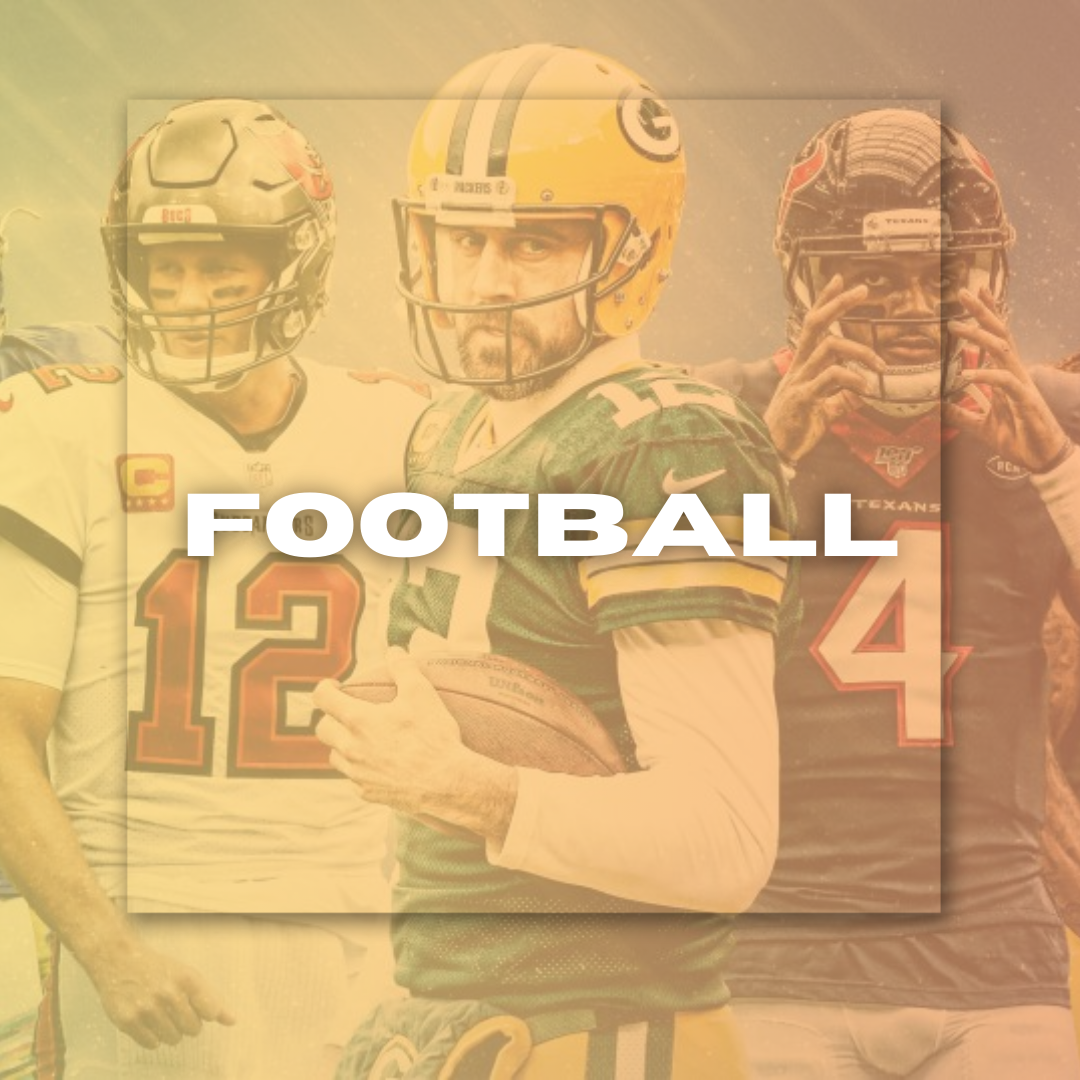
The NFL, which was the strongest traditional adversary of sports betting, has produced a very well-planned and calculated approach to market entry. It has implemented a two-tier partnership strategy in order to optimize the revenue and also control the brand positioning. The top level brings in "Official Sports Betting Partners", such as Caesars Entertainment, DraftKings, and FanDuel. A second layer of "Approved Sportsbook Operators" will also be allowed to bid on limited in-game commercial inventory. The league has taken the same prudent step in on-air advertisements, where they limit the number of slots per game as part of ensuring that it does not inundate the market, as it has done in the European markets in particular. This long-term brand-building view is more focused on a balanced approach of introducing sports betting content into its broadcasts.
National Basketball Association (NBA)
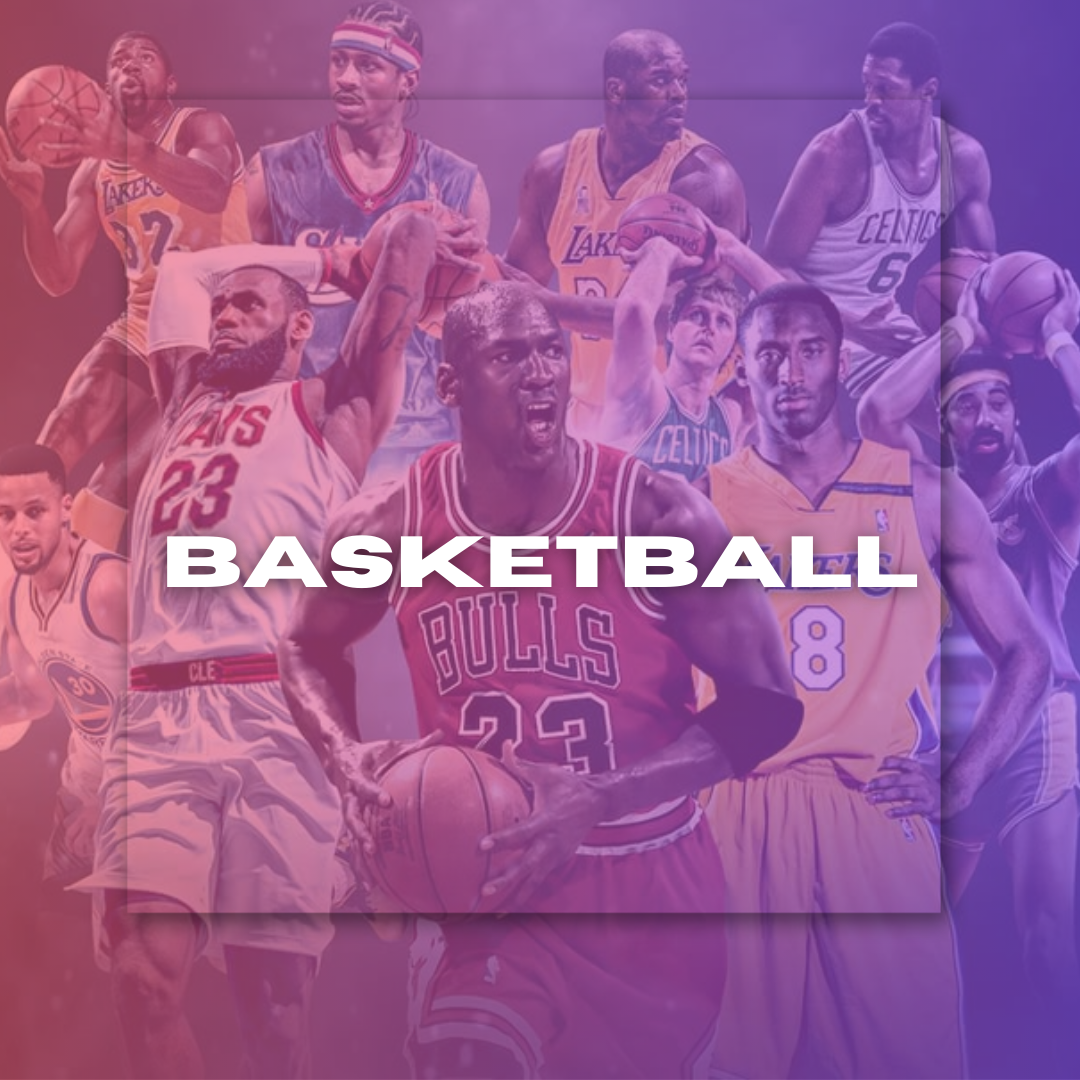
The NBA was the initial major league to make a bold step in the new world after PASPA, and it received a great first-mover advantage. The swift move made the league a leader in the new and profitable revenue line. Currently, there are 17 approved gaming partners in the NBA, and most of the individual franchises also have their own official online casino and sportsbook partners. The collaborative, decentralized approach enables franchises to tap into their local markets, and franchises have found sports betting a major area of leveraging with jersey patches, arena advertising, broadcast spots, and online media becoming key generators of high returns.
Major League Baseball (MLB)
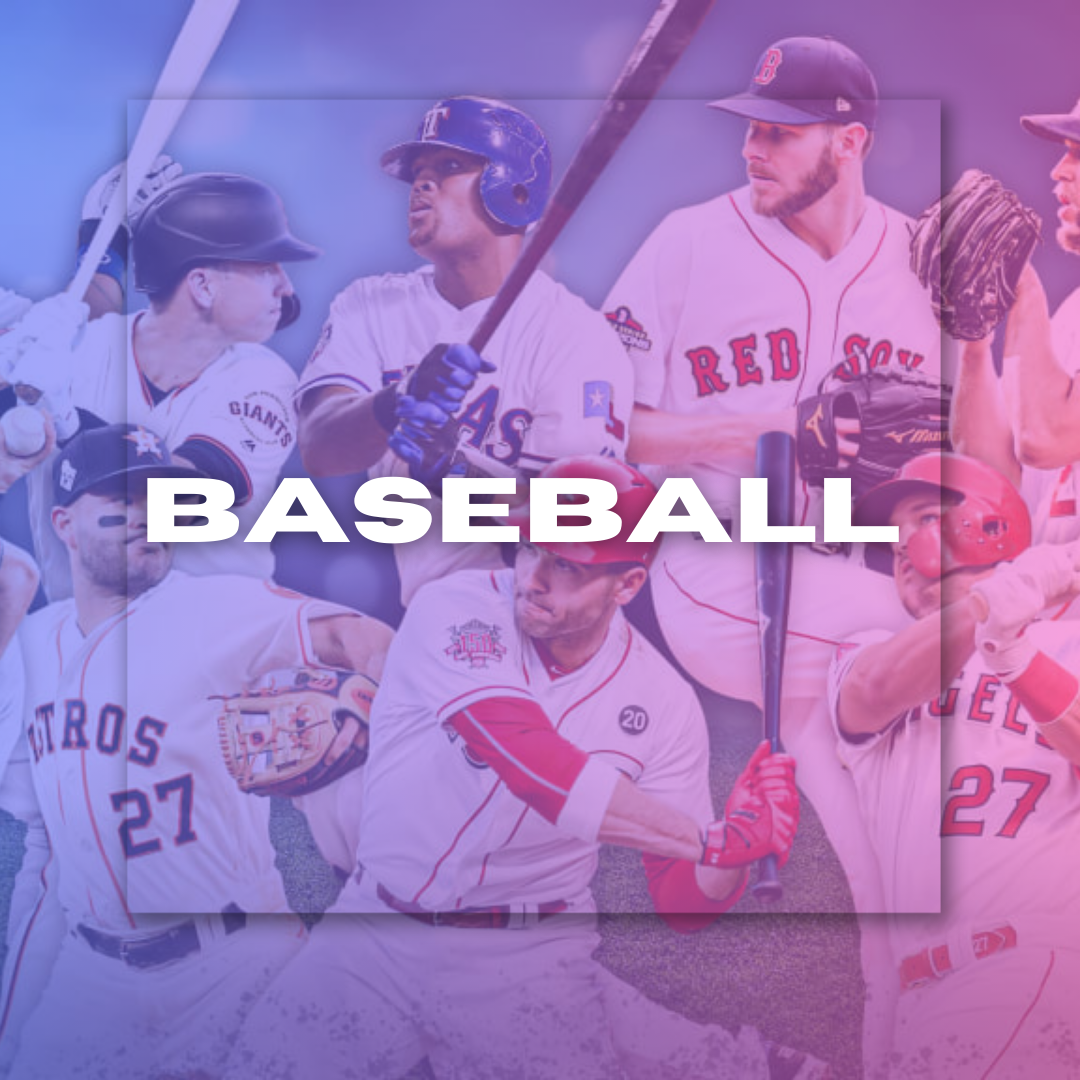
Major League Baseball has adopted a strategy that is focused on the monetization of the valuable in-game data and the stats-rich nature of the game itself. Official partnerships with the top betting companies, such as FanDuel and MGM Resorts. The alliances are also broadened to the team level, where the operator is able to connect fans at the specific regional market in tailored activations. Such interpenetration can be seen in the Beat the Streak game, an example of a free-to-play game promoted and run by MGM Resorts. This game is a prime example of a freemium game with the ability to draw wider audiences to the MGM ecosystem by using the most informative statistics about the sport.
Ultimate Fighting Championship (UFC)
The Ultimate Fighting Championship (UFC) has developed an innovative and disruptive approach that gains maximum value out of its global fan base and digital-native population. Contrary to the more traditional forms of American sporting organizations, the UFC has pursued relationships with crypto and social casino brands such as Roobet.fun and Stake.com. These alliances offer huge visibility of fighters' clothing and online platforms. The selection of these affiliates is strategically calculated, since the free-to-play social casino paradigm permits the UFC to be related to the gaming industry without actually being so financially connected to it in the American market. The partnership with Stake.com, a crypto-centered gambling site with an eye on global markets, avoids the onerous state-by-state regulatory framework that beleaguers traditional U.S. sports and gambling interests, giving the UFC a chance to cash in on its worldwide fan base.
The Economics of the Alliance: Revenue, Data, and Market Dynamics
Professional sports leagues successfully managed a calculated shift in position since the momentous Murphy decision, going from vocal opponents to willing partners in a legalized betting market. This aggressive step, led by the NBA, enabled leagues to cash in on a market they could no longer prevent. They re-packaged their integrity claim and now said that their licensed and regulated marketplace, in which official data and control would prevail, was the best way of ensuring the integrity of the game. This transition changed a legal loss into a huge commercial win, making leagues the central players in an emerging sports betting industry and generating an additional income source.
This partnership is a monetary jackpot to the two parties concerned, as all four major leagues in the U.S. are expected to make a cumulative total of 4.23 billion dollars. The most important asset in this emerging commercial environment is not merely the brand of the league, but the real-time data of the league games themselves. Live, in-play betting and the newly emerging microbetting industry rely on this sort of official league data. This is evidenced by the fact that the NFL entered into an exclusive partnership with Genius Sports, which includes owning an equity stake in the business to increase its share in the benefits of this data-driven venture. This mass sports betting is believed to be the avenue to the much more lucrative iGaming business, and operators are ready to accept a loss to gain customer loyalty and customer numbers to prepare themselves for the future.
Navigating Integrity, Regulation, and Social Responsibility
To safeguard game integrity, professional sports leagues have implemented strict gambling policies for players, coaches, and staff. The NFL's policy is particularly stringent, prohibiting players from betting on any league event and banning gambling at team facilities and hotels. Similarly, the NBA forbids players, coaches, and referees from betting on NBA games, and recently banned prop bets on players with lower-paid contracts in response to the Jontay Porter scandal. Major League Baseball’s Major League Rule 21 is one of the most severe, threatening a year-long ineligibility for personnel who bet on baseball and permanent banishment for those who bet on a game they have a "duty to perform."
In addition to internal policies, the leagues are proactively managing public perception. The NFL has limited gambling advertisements during game broadcasts to prevent market saturation, a lesson learned from European markets. The MLB is also a leader in this space, having joined a "Coalition for Responsible Sports Betting Advertising" to ensure ads are directed only to adults and include a clear, prominent message about responsible gaming. These proactive measures demonstrate the league's commitment to social responsibility, aiming to shape the market before being forced to by government regulation.
Strategic Outlook and Recommendations
The removal of PASPA and the following increase in casino and betting sponsorships have turned professional sports in the United States completely upside down. The new ecosystem is very lucrative but is also in its infancy stages, and as such, there are several strategic trends and opportunities. It is reasonable that the market will remain at its high-growth stage as the nationwide market size is expected to increase threefold by 2030. These partnerships will go beyond mere brand sponsorship to whole data-based ecosystems in which the data generated in games is being used by leagues as a central commercial asset. Global leagues with international fan bases like the UFC will increasingly look to digital-first and international partners to circumvent the accepted regulatory structures and to pursue new markets.
The bedfellow between professional sports and the gaming industry has been one of the most hallmark commercial narratives of the 21st Century. It is a multi-billion-dollar web of relationships with a great many moving parts, which, despite its profitability, must be nurtured carefully and strategically to maintain the quality of the game and the legitimacy of the fans.
LATEST
- NEWS
- |
- ARTICLES
- |
- VIDEOS


FAN ARCH PODCAST NETWORK