


















































































































Group Trip to U.S. National Parks: What You Need to Know Before You Go
By Muhammad Arslan Saleem November 10, 2025 09:06


There’s a special kind of freedom that comes with the open road — the sound of the wind, the hum of the tires, and the promise of something breathtaking waiting beyond the next curve. A group trip to America’s national parks is more than a vacation; it’s an awakening, a chance to stand where mountains touch the sky and rivers carve through time. Traveling with a trusted partner in New York like rentcharterbuses.com makes the experience smooth, comfortable, and unforgettable — turning planning chaos into effortless adventure.
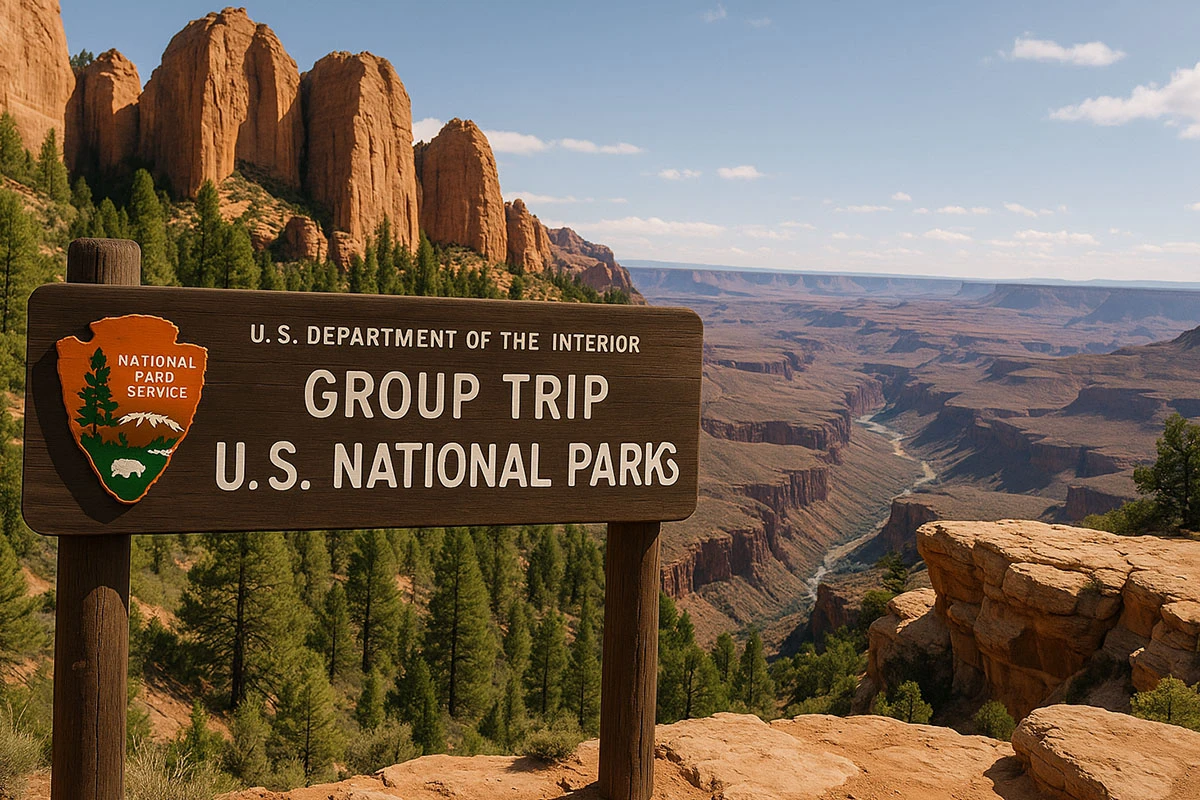
The spirit of the journey
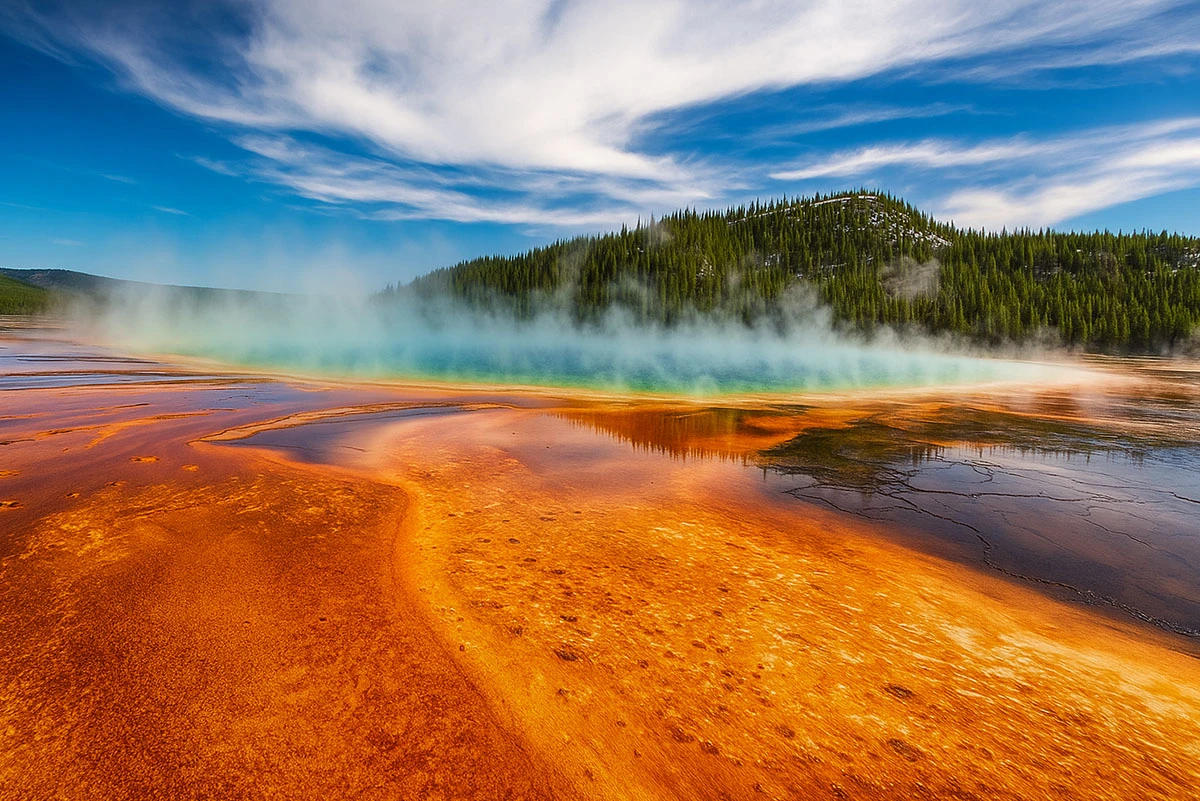
National parks in the United States are vast, wild, and full of wonder. From the snowy peaks of Yellowstone to the red canyons of Zion, each one feels like a different world. But a successful group trip requires balance — excitement and preparation, spontaneity and structure. A charter bus becomes not just transport, but a shared home on wheels, carrying laughter, stories, and anticipation through landscapes that seem painted by the hand of nature itself.
Traveling together means sharing not only the views but the journey — the playlists, the snacks, the quiet moments between destinations. Every mile brings you closer not just to nature, but to each other. The rhythm of the bus becomes the heartbeat of the group, and the road itself becomes a thread weaving all the memories together.
Think of the trip as more than movement — it’s connection. The bus hums softly through winding highways, every stop a new story, every laugh a shared echo that will stay long after the journey ends. It’s about being part of something larger — your friends, your family, your team, and the landscapes that remind you how beautifully vast the world can be.
“The road through a national park is more than asphalt — it’s a ribbon that ties friends, memories, and nature together.”
Planning your route
Before setting off, decide which parks you’ll visit and how long you want to stay in each. The U.S. has over 60 national parks, and many are connected by scenic highways ideal for bus travel. Prioritize destinations that fit your group’s interests — hiking, photography, wildlife watching, or simply relaxing by a lake.
Popular routes for group travelers
-
The Grand Circle — Utah and Arizona’s iconic red rock parks: Zion, Bryce Canyon, Arches, and the Grand Canyon
-
Yellowstone & Grand Teton — geysers, wildlife, and mountain trails
-
Yosemite & Sequoia — towering cliffs and ancient trees
-
Rocky Mountain Loop — Colorado’s alpine roads and turquoise lakes
-
The Pacific Northwest — Olympic, Mount Rainier, and Crater Lake in one breathtaking sweep
Every route has its own character — some whisper with quiet forests, others roar with waterfalls or blaze under desert sunsets. Plan your itinerary to balance active exploration with rest. Include scenic overlooks, small towns for meals, and photo stops that allow the group to breathe and admire the view.
With a charter bus, you don’t need to worry about directions or schedules — everything flows seamlessly. The driver knows where to stop for the best views, the safest parking, and the quickest routes. The result is harmony — between the land, the people, and the moment.
“A great trip doesn’t begin at the destination — it begins with knowing the road ahead is in good hands.”
Permits, passes, and park rules
Most national parks require entrance fees or group permits. When you’re traveling by charter bus, these rules may vary depending on group size and vehicle type. Always check the National Park Service website in advance, or ask your transportation provider for assistance.
What to prepare
-
Group or vehicle entry passes (some parks require both)
-
Parking reservations for large vehicles
-
Campground or lodge bookings
-
Updated list of park regulations — including waste rules, fire bans, and quiet hours
Permits are more than paperwork — they’re your key to an easy, stress-free adventure. Applying in advance means no waiting in line, no confusion, and no risk of turned-back entry. Many parks now offer online systems that simplify the process, making planning almost effortless.
Understanding and respecting the park rules also ensures your experience remains safe and eco-friendly. Simple actions — disposing of trash properly, avoiding restricted areas, and keeping noise to a minimum — protect both wildlife and fellow travelers. The beauty of the parks exists because generations of visitors have learned to respect it.
“Preparation is not about control — it’s about giving yourself the freedom to explore without worry.”
What to bring on your group trip
Packing for a national park adventure is part art, part strategy. Since a bus trip gives you more space than car travel, it’s easier to bring everything you need while keeping the group organized. The key is balance — pack light, but don’t forget the essentials that make the journey comfortable.

Essential packing checklist
-
Comfortable hiking shoes and weather-appropriate clothing
-
Refillable water bottles and reusable containers
-
Sunscreen, hats, insect repellent
-
Portable chargers and power banks
-
First aid kit and any necessary medications
-
Blankets or pillows for longer drives
-
Snacks, fruit, and energy bars for trails
Every item in your backpack tells a story — your shoes will collect the dust of trails, your water bottle will clink against mountain rocks, your camera will capture fleeting sunsets. Packing well is part of traveling wisely. Encourage your group to coordinate items — one person brings the cooler, another brings the first aid kit. When everyone contributes, the trip feels like a collective adventure.
And don’t forget comfort items for the bus itself — travel pillows, soft music, and books. The journey between parks can be long, and making the bus cozy turns those hours into part of the fun.
“A well-packed bag is like a trusted friend — always ready for the next adventure.”
Respecting nature and safety
The beauty of the parks depends on how carefully we treat them. Leave no trace, respect wildlife, and remember that even small actions — picking a flower, leaving food scraps — can impact fragile ecosystems. Traveling as a group multiplies your impact, both good and bad, so awareness becomes essential.
Safety reminders for group travelers
-
Stay on marked trails and paths
-
Carry maps or GPS devices — cell service is limited in many areas
-
Check weather forecasts daily
-
Agree on meeting points in case the group splits up
-
Keep emergency contacts and ranger numbers handy
National parks are living ecosystems — wild, unpredictable, and sacred. The mountains don’t rush, the rivers don’t wait, and you must move with respect and mindfulness. When you walk softly, you notice more — the whisper of trees, the rustle of animals in the brush, the echo of your footsteps against ancient stone.
Teach your group to observe quietly, to photograph instead of disturb, and to admire from a distance. Safety is not just about avoiding danger; it’s about walking in harmony with the world around you.
“To walk through nature is to be a guest — and every good guest leaves no footprint behind.”
Why charter buses make it better
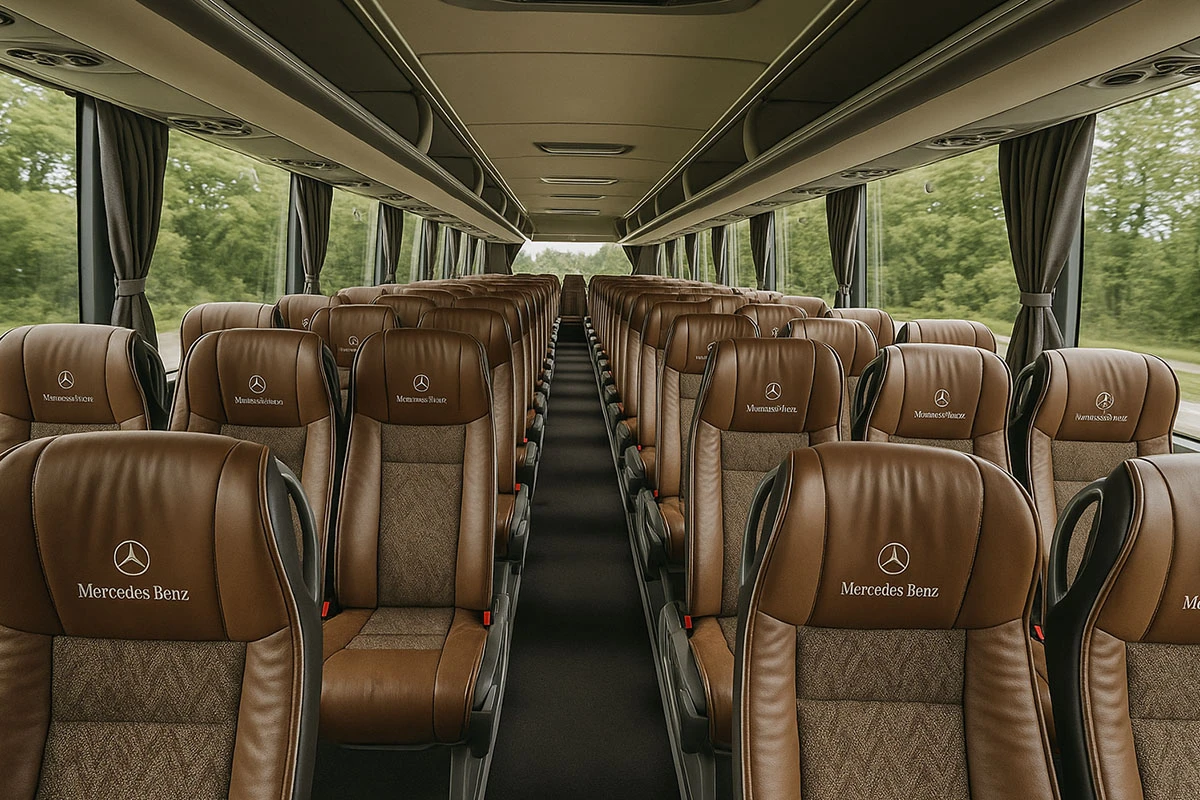
Driving into a national park can be exhausting — tight roads, limited parking, and long distances between destinations. With a charter bus, all those worries disappear. You can rest, nap, or simply gaze out the window while someone else handles the navigation. It’s group travel without the stress, comfort without compromise.
Key advantages of a charter bus
-
Professional drivers who know national park routes
-
Spacious, air-conditioned interiors with reclining seats
-
Onboard restrooms and storage for gear
-
Cost-efficient for large groups
-
Easy coordination — everyone arrives together
A charter bus allows you to travel as one — no lost cars, no delays, no confusion about where to meet. Everyone arrives together, rested and ready to explore. The ride itself becomes part of the journey, a time to bond, laugh, or simply watch the scenery unfold outside the window.
It’s also an eco-friendly option: one bus replaces multiple cars, reducing emissions and preserving the natural landscapes you came to enjoy. When you travel responsibly, you’re not just witnessing beauty — you’re helping protect it for those who come after you.
LATEST
- NEWS
- |
- ARTICLES
- |
- VIDEOS


FAN ARCH PODCAST NETWORK